
7 min read · 5 March 2026 · Tim Etherington-Judge
B Corp Just Changed the Rules. Here's How to Stay Ahead
It's B Corp month, but this year, the celebration comes with a serious conversation about what certification actually requires now. Here's what's different, and why the brands who'll thrive are the ones treating B Corp as a continuous practice, not a periodic project.
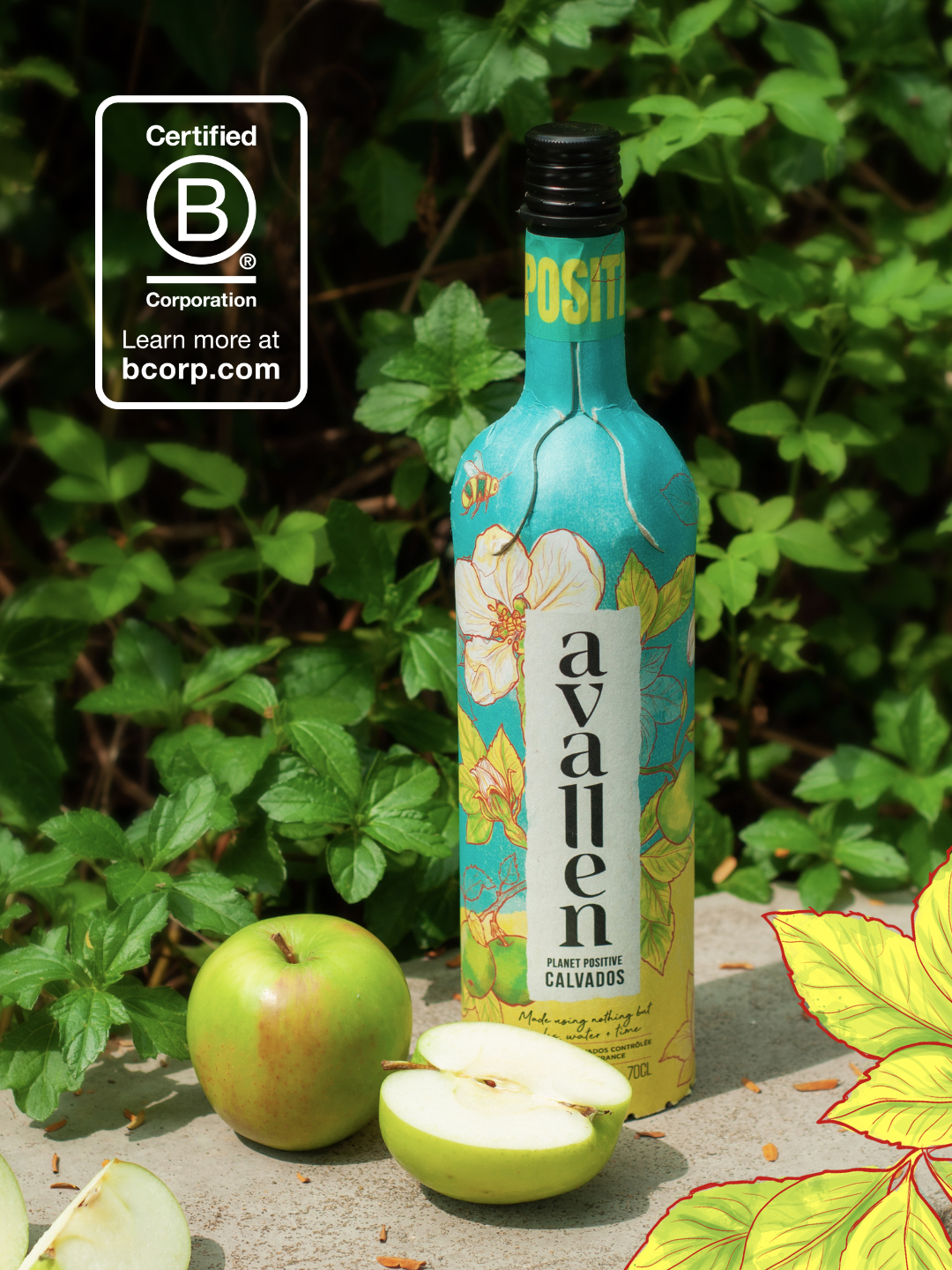
It's March, which means that, at least in the Northern Hemisphere, that the flowers of Spring are starting to bloom, the bees are beginning their tireless work, and some of the most progressive and important companies in the world are celebrating B Corp Month. And this year, there's a massive change to what it takes to be a B Corp.
For years, the B Impact Assessment (BIA to those who have been through it) worked on a simple principle: reach 80 points, however you can. If your environmental practices were exceptional, they could carry weaker scores elsewhere. If your governance was bulletproof, it helped offset gaps in worker practices. The flexibility was, depending on who you asked, either the system's greatest strength or its most significant flaw.
That flexibility is gone.
Welcome to the brand new B Corp Standards V2.1, which came into force this year, replacing the points-based model with seven mandatory Impact Topics. It's the biggest shake up for B Lab since its founding in 2006 and the standards have been written after an extensive feedback process with hundreds of existing B Corps.
Every company seeking certification must now meet requirements across all seven of the Impact Topics. There is no offsetting, no compensating, no routing around a weak area with strength in another. Every pillar has to stand on its own.
For drinks brands on the B Corp journey, this changes the preparation fundamentally. And for those already certified, it changes what recertification will look like.
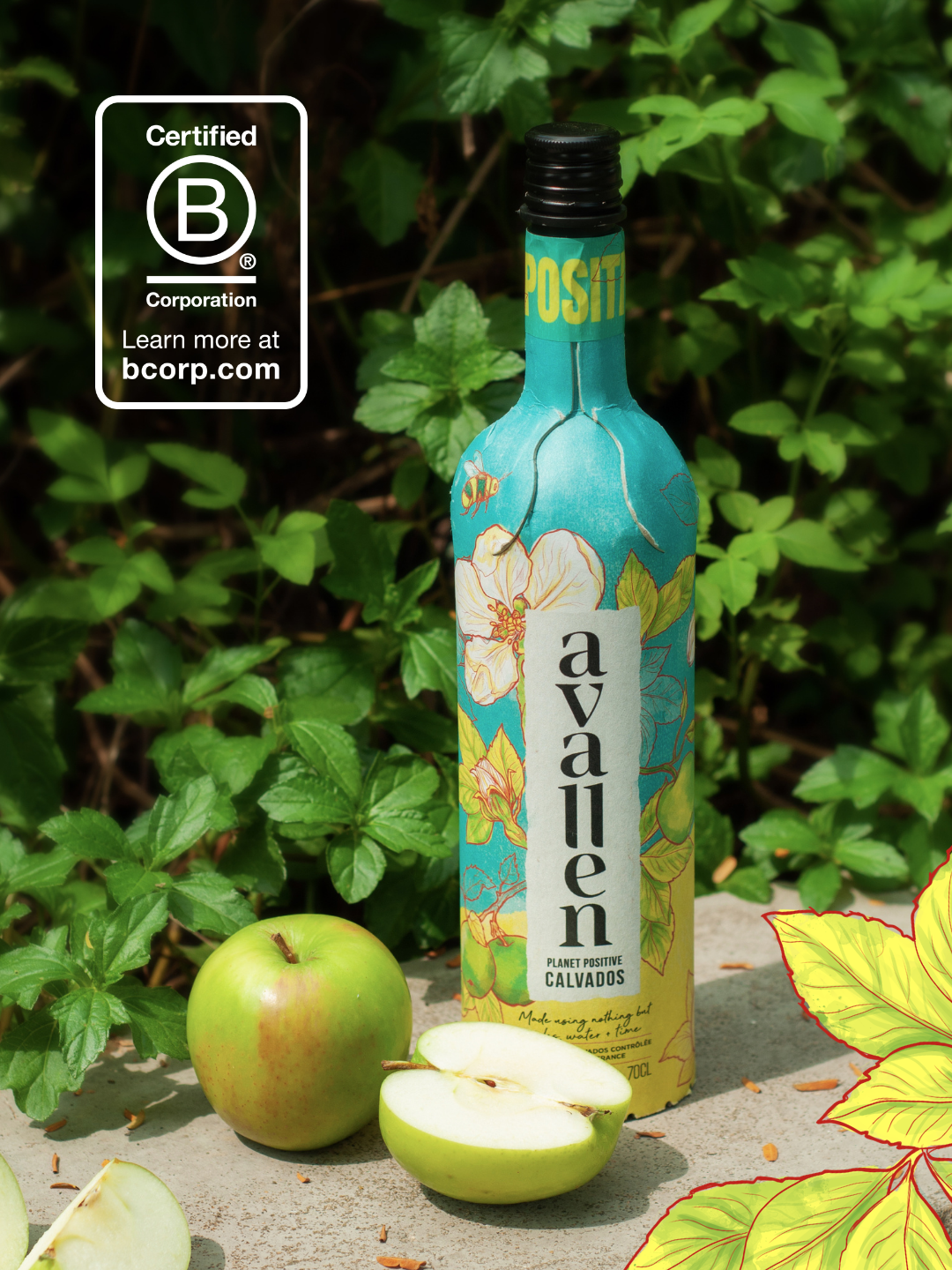
So, what's actually changed?
Under the old standards things were simple, you had one target: score 80 or more points across the 5 categories in the B Impact Assessment. I know as I did our B Corp Certification for Avallen, and I've supported a number of other companies with their Certification. Under the new standards, there are now two layers of obligation and no scores.
The first is Foundation Requirements which are universal prerequisites every company must meet regardless of size or sector. These include things like legally amending your governing documents to require directors to consider impact on all stakeholders, completing a new Risk Tool assessment, and meeting baseline transparency and compliance standards.
The second layer is the seven mandatory Impact Topics, all of which must be addressed:
Purpose & Stakeholder Governance — how your business is structured and governed for long-term stakeholder benefit. If you're solely focus on profit extraction, then you're not going to qualify.
Fair Work — pay, conditions, and the quality of employment you provide.
Justice, Equity, Diversity & Inclusion (JEDI) — active commitment to equity across your organisation and supply chain (I will not insert a Star Wars joke. I will not insert a Star Wars joke).
Human Rights — due diligence on labour practices, particularly across all of your supply chain. Slave labour used in growing ingredients used to make your liquid, no certification for you.
Climate Action — measurable progress on emissions reduction and a robust climate strategy.
Environmental Stewardship & Circularity — responsible use of resources, waste, water, and biodiversity
Previously, a drinks brand with outstanding environmental practices, such as Avallen, could perform less well in the Community and Workers sections and still get over the 80 point bar. That trade-off no longer exists. Gaps are gaps, and they must be addressed.
One of the most significant changes in the new standards is the introduction of a continuous improvement trajectory. Certified companies now face evolving expectations not just at the point of certification, but at year 3 and year 5 milestones. The standards are explicit: what meets the bar today won't necessarily meet the bar at recertification.
Add to that the introduction of independent third-party auditors replacing the previous self-assessment process, and you begin to understand why the old approach of a pre-certification sprint followed by three years of not thinking about it has a very limited future.
For drinks brands already certified, this is the most important thing to understand. Your next recertification will be assessed under the V2.1 standards (or later standards if they continue to develop). If you've been coasting while slapping the logo on your product and marketing, this year is the year to take stock. If you've been building good practices continuously, you're in a much stronger position than you might realise.

Where most brands are exposed under the new standards
Based on what we see across the brands building on alkatera, the Impact Topics that tend to reveal the most gaps, particularly for early-stage and scale-up drinks businesses, are:
Human Rights and supply chain due diligence. Most small drinks brands have limited visibility into their upstream supply chain. The V2.1 standards require meaningful engagement with this, not just a policy on the website.
JEDI. This goes beyond having a diversity statement. The new standards ask for measurable commitments, tracked data, and evidence of active inclusion practices.
Climate Action. Having a carbon footprint is no longer enough. The V2.1 standards expect a credible emissions reduction trajectory, which means knowing your baseline, setting a target, and demonstrating progress. Thankfully, this is something we excel in at alkatera
The good news: none of these are insurmountable. But they do require data, and the earlier you start capturing it, the better your position at every stage of the cycle.
What a continuous B Corp practice looks like in reality
The drinks brands navigating the new standards most confidently share a common characteristic: they don't treat B Corp as a project that gets picked up every three years, rather they treat it as a lens through which they already run the business.
That means their Fair Work data (pay equity, living wage commitments, employee benefit tracking) isn't assembled in a rush before submission. It's maintained continuously. Their environmental footprint isn't a one-off calculation. It's updated as their production volumes, packaging, and supply chain evolve. Their governance policies aren't written the week before an audit. They're living documents that reflect how decisions actually get made.
The practical benefit of this approach is significant. When it comes time to submit, whether that's a first certification or a recertification under the new standards, the gap analysis becomes a confirmation exercise rather than a discovery exercise. You already know where you stand, because you've been tracking it.
Getting started with the new framework
If you're a drinks brand beginning your B Corp journey, the first step under the new standards has changed. No longer do you ask: "how do we score well?" but instead, "where are our genuine gaps across all seven Impact Topics?"
If you're an existing B Corp preparing for recertification, the same question applies, but with an additional layer of honesty about which of your practices were built around the old standards flexibility, and which will hold up under a mandatory requirements model.
alkatera is built around exactly this kind of continuous, evidence-based approach. Across the platform, the data you need for each of the seven Impact Topics is already being captured, from People & Culture and JEDI tracking, to your environmental footprint and LCA data, to governance policies and supply chain visibility.
Our Certifications Hub maps all of it directly to the B Corp framework, giving you a real-time gap analysis, and helps you build the evidence library you'll need when the auditors come.
B Corp month is a good moment to celebrate what the movement stands for and to celebrate those brands that are a force for good in the world. It's also a good moment to be honest about whether your certification journey is built for the standards that actually exist now, not the ones that used to.
And yes, we will be going through the process ourselves later this year and doing the work to become a Certified B Corp.
alkatera is a sustainability intelligence platform purpose-built for drinks brands. If you'd like to see how your business maps to the B Corp V2.1 Impact Topics, get in touch hello@alkatera.com .

