
4 min read · 30 July 2026 · Tim Etherington-Judge
This is Fine 🔥
It has been an exceptional summer in Europe, but we can no longer call these events "freak" occurrences. With Europe warming at twice the global average, a compound crisis of extreme heat, prolonged droughts, and severe floods is fundamentally altering our agricultural landscape. From the wildfires threatening Bordeaux’s 2026 vintage to the long-term shifts threatening global wine regions, the drinks industry stands at a critical crossroad. To survive this new climate reality, we must embrace a combination of nature-based solutions, technology, and radical cross-industry collaboration to protect the harvests of the future.
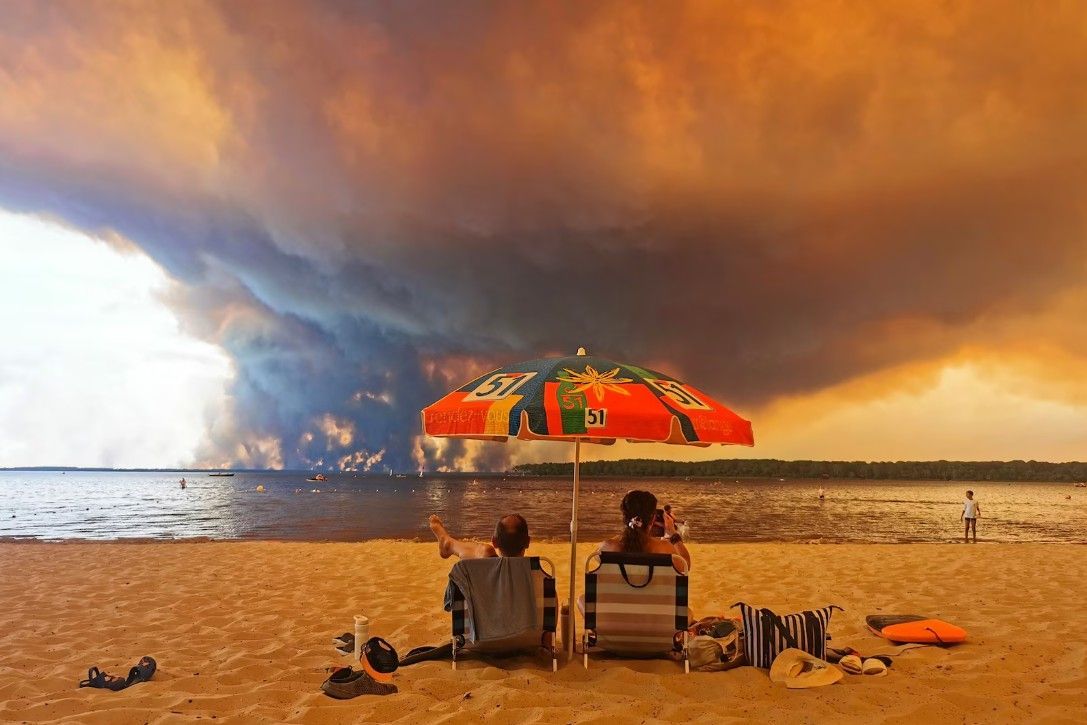
I started off this post with the title: Let’s talk about France. But as I scan the news this morning, it’s clear that this story is about much more than just the devastating wildfires ravaging Bordeaux at the moment.
Whilst French firefighters continue to battle blazes over an area four times the size of Paris, the largest wildfire in Spain is thankfully now stable. In Greece, three firefighters have died battling wildfires, and as I type this, looking at the severe fire alerts on Google Maps, there are fires ablaze near Marseille, Perpignan, Poitiers, and Montpellier. There are 11 other wildfires currently burning in Spain, 8 in Italy, a big one up in Scotland, and most recently, the Dunwich Heath fire in Suffolk, worryingly close to a number of local vineyards.
It has been an exceptional summer in Europe by almost every measure, and we’re only two-thirds of the way through. But we can no longer call these events "freak" or "unexpected." They are the predictable results of a rapidly changing climate.
The Fastest Warming Continent
To understand what is happening to our vineyards and farms, we have to look at the macro data. According to the Copernicus Climate Change Service, Europe is the fastest-warming continent on Earth. It is warming at more than twice the global average rate, with temperatures rising by approximately 0.56°C per decade since the mid-1990s. Over the past decade, European land temperatures have increased by up to 2.26°C above pre-industrial levels.
This rapid warming fundamentally alters the water cycle. In parts of southern Europe, annual precipitation has decreased by up to 90 mm per decade since 1960. Yet paradoxically, as the climate warms, it holds more moisture when it does rain. The number of days with very heavy, flash-flood-inducing precipitation across Europe has increased by about 45% compared to the mid-20th century.
The Compound Crisis of Drought and Heat
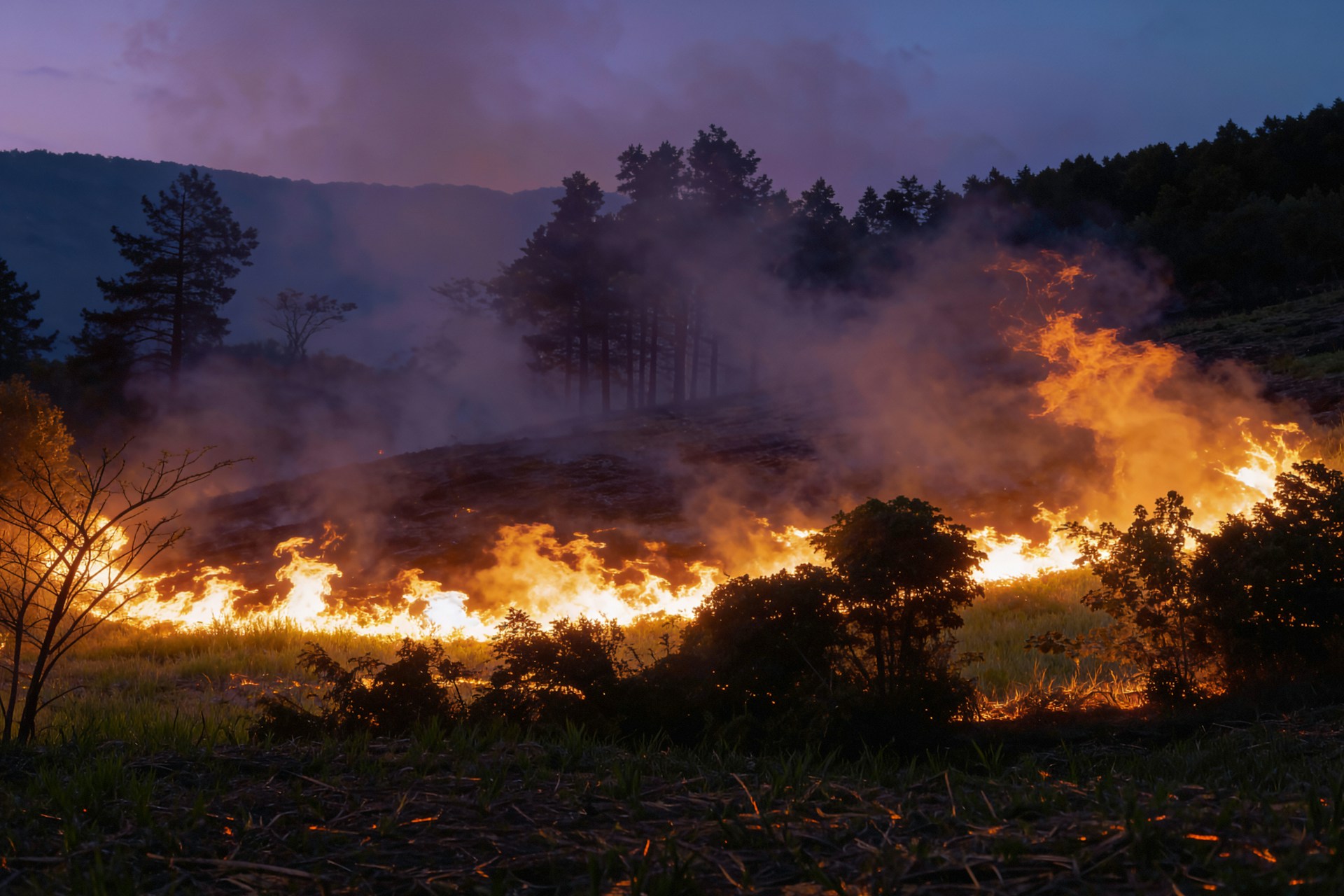
The wildfires near Bordeaux will almost certainly impact the 2026 vintage. The intense hot summer has driven an extremely early harvest, placing vines under severe heat and water stress. As the heatwave continues, winds are pushing smoke directly towards the vineyards right as the grapes are ripening, making the risk of smoke taint exceptionally high.
This isn't an isolated incident; it's a symptom of a compound crisis. A recent report by World Weather Attribution highlighted that recent extreme European droughts are driven by prolonged precipitation deficits combined with intense heat, resulting in massive agricultural losses.
The past few years of wine harvests highlight this perfectly:
2023: Bordeaux growers were in an intense battle against mildew due to volatile wet conditions, while Spain saw its weakest harvest in 60 years due to extreme, prolonged heat and drought.
2024: French wines saw one of their smallest harvests in 100 years, battered by a combination of spring frosts and extreme weather.
What Does the Future Hold?
If warming continues beyond the 2°C threshold, up to 70% of existing global winemaking regions might face substantial risks of losing their suitability. In Southern Europe, significant variations in climate could completely alter the current geography of high-quality wine production.
While warmer temperatures might allow vines to grow further north in places like Scotland or Scandinavia, these regions will face their own challenges, such as strong disease pressure from high projected humidity and precipitation.
Not every year is going to be record-breaking. There will still be good harvests, exceptional vintages, and years that are just bang average, but there is going to be far more uncertainty.
Building Resilience: Nature, Tech, and Collaboration
I am not a vineyard owner or winemaker, but it is clear that surviving this new climate reality will require a combination of nature-based strategies and man-made interventions.
Improving soil health so it retains more moisture is vital. Cover cropping and agroforestry (introducing trees to the vineyard) can improve water retention and reduce heat on the land. Shade cloth is increasingly being used to reduce sunburn on the grapes, and investing in advanced water storage to extend irrigation options is a smart, necessary move.
And AI absolutely has a role to play. Yes, it’s a dirty word to many in sustainability circles. Yet, when deployed strategically to analyze data and predict patterns, AI is incredibly powerful. Ultra-accurate weather forecasts, yield and harvest predictions based on real-time data, and precision resource management using soil moisture monitors and drones are proactive strategies that can save a harvest before extreme weather hits.
But perhaps the most powerful tool we have is collaboration. Climate change impacts our entire industry; from the farmers growing grapes, apples, barley, and botanicals, straight through to the retailers and the consumer.
It is up to all of us to reduce our impact on climate, water, and nature while simultaneously building resilience. We cannot rely on a few pioneering regenerative or climate-positive producers to do all the work; we all have to muck in to protect the harvests of the future.
I send out all my love to the winemakers around the world who are currently being impacted by this summer's record-breaking weather, and I hope that their struggles and learnings right now can benefit the future of the industry we all love so much.

